Game-related ramblings.

Author: waltorious Page 17 of 34

Space Waddle: Lifeless Planet

As always, you can click on images to view larger versions.

After spending some time with games without stories, I needed something to ease my way back into story-heavy games. I ended up selecting another title from my backlog, one that is much more like what I thought In Ruins would be: a game about wandering through a beautiful landscape, with a story that is mostly told rather than played. The game, of course, is Lifeless Planet by Stage 2 Studios. I didn’t use a hyperlink there because the game’s homepage actually contains spoilers for the game, which is unfortunate. So be warned before you click on the following link to the game’s page.

Lifeless Planet is a game about an little astronaut who lumbers around the gorgeous vistas of the titular planet with a pleasing low-gravity space waddle. As he explores, of course, spoilers happen. I will endeavor not to spoil anything about the game’s story here, because the surprises it offers are a huge part of the game’s appeal, but I will discuss how that story is told, along with all the other things the game does well.

Games Without Stories

As always, you can click on images to see larger versions.

After finishing The Witcher 2, with its epic and dark tale full of twists, betrayals, and monsters — human and otherwise — I decided I needed a break from games with strong stories. I love story-focused games, as any longtime reader will know, but such games require something of an investment every time I play. I need to remind myself of everything that’s happened so far, and let myself get absorbed by the events unfolding before me. This makes it hard to play such games in short spurts. Normally, when I only have a little time to play, I favor roguelikes or other games with shorter play sessions, but even these involve stories, although they are written in large part by the player. The time investment may be smaller, but the investment in the unfolding story is not.

So I decided to seek out games without any stories. I’ve played some games like this before, but tired of them before I was finished. I think that’s because I tried to play them the way I play story-heavy games: all at once, to the exclusion of most other games, until I’ve finished. This time, I thought I’d tackle a few of these games simultaneously, returning to them occasionally when I’m in the mood, alongside whatever else I decide to play. I’ve written about three of them here.

Return To The Witcher 2 Successful

As always, you can click on images to view larger versions. Also, if you are considering playing The Witcher 2, I recommend the original Polish voices with subtitles. They’re just better.

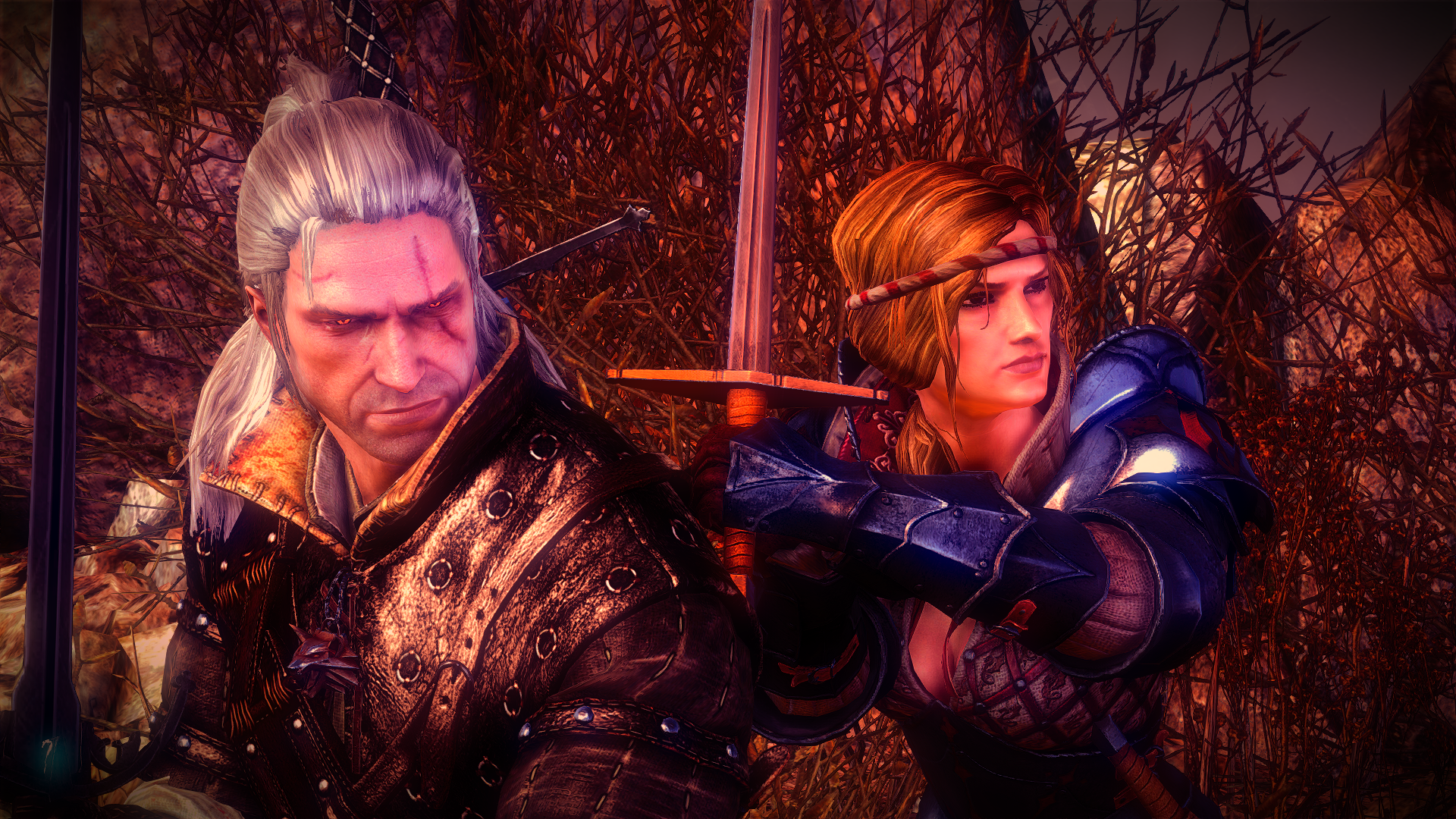
After my first post chronicling my return to the Witcher 2, I imagined I’d have two more, one for each of the two remaining Chapters in the game. But after I finished Chapter 2 I just kept on going, and I’ve now finished the game. Now that I’ve seen both sides of the story, I can write my thoughts on the game as a whole.

If you’re unfamiliar with The Witcher games, you should read my posts about the first game before reading this. And, of course, you should read my earlier post discussing my thoughts on the Prologue and first Chapter of The Witcher 2.

Crossing the Streams: CrossCode Demo (And Crowdfunding)

As always, you can click on images to view larger versions.

I’ve already mentioned that my playthrough of The Witcher 2 had been stalled by some hardware issues. Those have been solved, and I’ve actually finished the game now, but simply can’t find the time to finish writing about it. I’ll get to it eventually. In the meantime, I wanted to share the most excellent demo for CrossCode, an old-school-styled action role-playing game currently seeking funding on IndieGoGo.

Before going any further, I should state that while the graphical style of the game looks a lot like RPG Maker, CrossCode is definitely not a traditional tile-based Japanese-style role-playing game. It’s a true action role-playing game, playing more like Zelda or Secret of Mana than Final Fantasy. It also looks much cooler in motion than in still screenshots, so you might want to check out some of the cool animated gifs on the IndieGoGo page.

Roguelike Highlights: Dungeonmans

Readers unfamiliar with roguelikes may wish to read my introduction to the genre, and possibly browse some of the other highlights. Also, as always, you can click on images to view larger versions.

About a year and a half ago, I wrote a quick post calling attention to the Kickstarter campaign for Dungeonmans, a graphical roguelike with a decidedly humorous tone. Well, the campaign was a success and the game has now been out for a few months. I took a look, got sucked into playing a bunch of characters, and finally managed to win a game (although there’s plenty of room for more replays). Now I’m telling you about it.

The Name Game’s Great Game Names

I had hoped to continue chronicling my second playthrough of The Witcher 2 (started here), but I’ve been delayed by hardware issues. What to do while those are resolved? Some more Name Game, of course!

It recently came to my attention that there is a game called Bladestorm: Nightmare. It’s out in Japan, and will release elsewhere soon. First let me say that the game is set during the Hundred Years’ War but has a mode in which an evil Joan of Arc leads “an army of wizards and dragons”. This is awesome. But perhaps even more awesome is the title. Bladestorm: Nightmare. It’s better than Kingdom Come: Deliverance. It’s better than Battlefield 2: Modern Combat. It’s pretty much the perfect example of the ridiculous videogame name.

How will other games find names after this? Never fear, the Name Game is here to help. I present to you The Name Game’s Great Game Names:

Gunsquall: Reckoning
Axehail: Warcry
Hammerwind: Battlefray
Daggertide: Rising
Bulletflood: Full Auto
Arrowrain: Downpour
Boxmove: The Slidening
Laserblast: Planetfall

Click onwards for more names.

Out There Is Pretty Far Out

As always, you can click on images to see larger versions.

I’ve said before that it was never my intention to write exclusively about PC games on this blog, it just sort of happened that way since that’s what I spend most of my time playing. But I rectified that with my first post about a mobile game (albeit also available on PC), Super Hexagon. Now I’m going to literally double my posts about mobile games by writing about another game that’s kept me entertained on my phone: Out There. It’s even (almost) timely, given that the new, fancier Ω Edition of Out There recently entered open beta for Windows, Mac and Linux, with a full release planned for this spring. This timeliness is purely accidental, I assure you, as I played the original version on my phone many months ago and simply never got around to writing about it until now. But I am very happy to hear that my mobile version of the game will be updated to the Ω Edition for free once it’s released. Hooray!

Returning To The Witcher 2

As always, you can click on images to view larger versions. Also, if you are considering playing The Witcher 2, please use the original Polish voices with English (or other appropriate language) subtitles. They are, in my humble opinion, much better than the English voices.

Over the summer, I wrote a bunch of posts about the bonus Adventures included with The Witcher. I decided to play them before for my long-delayed second playthrough of The Witcher 2: Assassins of Kings. This was all in preparation for the imminent release of The Witcher 3: Wild Hunt, which was originally slated for February. I thought if I played the bonus Adventures over the summer, then I’d have time to get through The Witcher 2 in the fall, and still manage a short break before The Witcher 3 came out. Silly me. Naturally I’ve only had time to get through the first third of The Witcher 2, and February is almost upon us. Fortunately (for me), the Witcher 3 has been pushed back to May, so there’s a chance I’ll actually get through it before the third installment arrives.

Readers unfamiliar with the Witcher series should read my posts about the Adventures first, as they contain copious ruminations on the first game in the series (including an introduction). Returning to the second game now, I am struck by the differences between the two, both good and bad.

Roguelike Highlights: Approaching Infinity

Readers who are unfamiliar with roguelikes may wish to read my introduction to the genre, and perhaps peruse a few of my previous highlights. Also, as always, you can click on images to view bigger versions.

Longtime readers may remember that I posted about Approaching Infinity over a year ago, when it was just finishing up its Kickstarter campaign. The campaign was a success and the finished product is now available from Shrapnel Games (the Kickstarter campaign funded the majority of development, with the publishing deal with Shrapnel signed later). I intended to write about the game sooner because I was enjoying the various pre-release builds that were available during development, but once I started playing the official release I couldn’t stop. I had to see what the next few sectors would bring, always afraid I was missing something cool that I would want to write about. Now, having reached one of many possible endings, I can take a break to tell you about it.

First things first: Approaching Infinity ditches the traditional fantasy settings of most roguelikes and instead casts the player as a starship captain, exploring new sectors of space, landing on planets, finding equipment and trade goods, and doing business with various alien races, all in a universe that keeps going forever, without limits. And it’s great.

Outcast 1.1 Released

Longtime readers of this blog will know that I am a huge fan of Outcast. It was the subject of one of my earliest History Lessons posts, and when the original developers started a Kickstarter campaign to create an HD remake of the game, I posted about it with excitement. Sadly, that campaign did not succeed, but they didn’t give up on the game. In the meantime they’ve been quietly working on an updated version of the original game, adding support for multi-threading, resolutions up to 1920×1080, and native gamepad support. This updated version has just released on Steam (the first time the game has ever been available there) and GOG (as a free update).

Page 17 of 34

Powered by WordPress & Theme by Anders Norén